

How to measure a furniture gas spring?
Jun 26, 2026
As a furniture gas spring supplier, I understand the importance of accurate measurement in ensuring the proper function and safety of these essential components. Measuring a furniture gas spring correctly is crucial for various reasons, including selecting the right gas spring for a specific application, ensuring compatibility with the furniture design, and maintaining the longevity of the product. In this blog post, I will share some key steps and considerations for measuring a furniture gas spring.
Step 1: Determine the Required Force
The first step in measuring a furniture gas spring is to determine the required force. This is the amount of force needed to open and close the furniture smoothly. The force is typically measured in Newtons (N). To calculate the required force, you need to consider the weight of the furniture, the distance it needs to travel, and the angle at which it will be opened.
For example, if you are measuring a gas spring for a kitchen cabinet door, you need to consider the weight of the door, the distance it needs to travel to open fully, and the angle at which it will be opened. You can use a force gauge to measure the weight of the door and calculate the required force based on the distance and angle.
It's important to note that the required force may vary depending on the application. For heavy-duty applications, such as industrial furniture or large cabinets, you may need a Gas Spring Heavy Duty with a higher force rating. On the other hand, for lighter applications, such as small cabinet doors or drawers, a Gas Spring 100n may be sufficient.
Step 2: Measure the Length
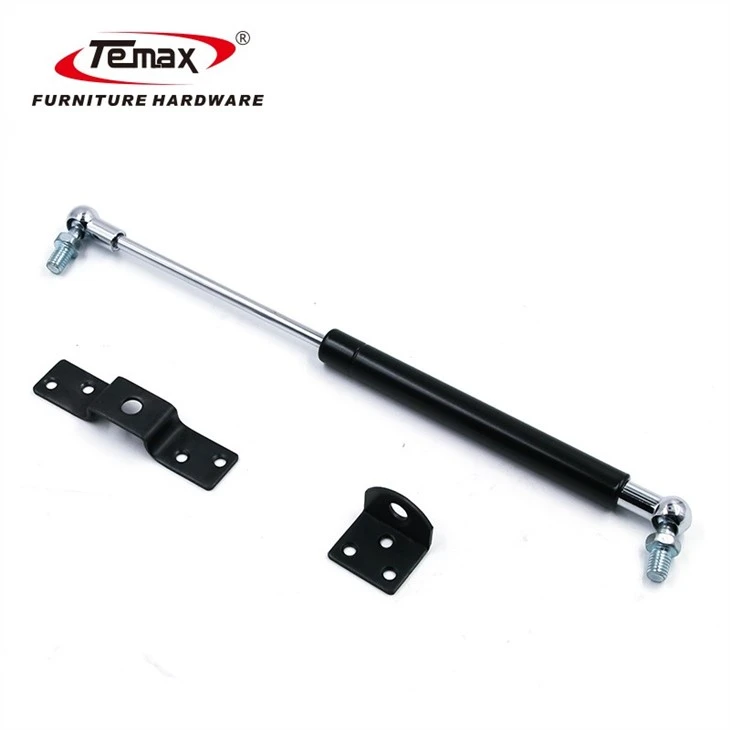
The next step is to measure the length of the gas spring. This includes the overall length, the extended length, and the compressed length. The overall length is the length of the gas spring when it is fully extended, including the end fittings. The extended length is the length of the gas spring when it is fully extended without the end fittings, and the compressed length is the length of the gas spring when it is fully compressed.
To measure the length, you can use a measuring tape or a ruler. Make sure to measure the gas spring accurately, as even a small difference in length can affect its performance. It's also important to consider the space available for the gas spring in the furniture design. You need to ensure that the gas spring can fit properly and operate smoothly without any interference.
Step 3: Measure the Diameter
The diameter of the gas spring is another important measurement. It refers to the outer diameter of the cylinder. The diameter can affect the force and the stability of the gas spring. A larger diameter gas spring generally has a higher force rating and is more stable.
To measure the diameter, you can use a caliper. Place the caliper around the cylinder of the gas spring and measure the outer diameter. Make sure to measure at the widest point of the cylinder. The diameter measurement is important for ensuring compatibility with the mounting brackets and other components of the furniture.
Step 4: Check the End Fittings
The end fittings of the gas spring are also crucial for proper installation and operation. There are different types of end fittings available, such as ball joints, eyelets, and clevises. You need to measure the size and type of the end fittings to ensure that they are compatible with the furniture.
To measure the end fittings, you can use a caliper or a ruler. Measure the diameter of the ball joint, the size of the eyelet, or the width of the clevis. Make sure to check the specifications of the furniture to determine the appropriate end fittings. It's also important to consider the ease of installation and the range of motion provided by the end fittings.
Step 5: Consider the Mounting Position
The mounting position of the gas spring is another important factor to consider. The gas spring needs to be mounted in the correct position to ensure proper function. The mounting position can affect the force, the range of motion, and the stability of the gas spring.
There are different mounting positions available, such as horizontal, vertical, and angled. You need to determine the appropriate mounting position based on the furniture design and the application. For example, if you are mounting a gas spring on a cabinet door, you may need to mount it horizontally to ensure smooth opening and closing.
Step 6: Test the Gas Spring
Once you have measured the gas spring and installed it in the furniture, it's important to test it to ensure that it is functioning properly. You can test the gas spring by opening and closing the furniture several times. Make sure that the gas spring provides the required force and that the furniture opens and closes smoothly.
If you notice any issues, such as excessive force, uneven movement, or noise, you may need to adjust the gas spring or replace it with a different one. It's also important to follow the manufacturer's instructions for installation and maintenance to ensure the longevity of the gas spring.

Conclusion
Measuring a furniture gas spring correctly is essential for ensuring its proper function and safety. By following the steps outlined in this blog post, you can accurately measure the required force, length, diameter, end fittings, and mounting position of the gas spring. This will help you select the right gas spring for your specific application and ensure compatibility with the furniture design.
At our company, we offer a wide range of Gas Spring for Kitchen and other furniture gas springs to meet your needs. If you have any questions or need assistance with measuring or selecting a gas spring, please feel free to contact us. We are here to help you find the perfect solution for your furniture.
References
- Furniture Gas Spring Handbook
- Industry Standards for Furniture Gas Springs